

Recent controversy surrounding Federal Reserve Chair Jerome Powell has been quickly framed by critics as political retribution. Predictably, accusations have flown that any probe into Powell’s conduct is merely an attempt to punish a political opponent. That framing, however, misses the legal point entirely.
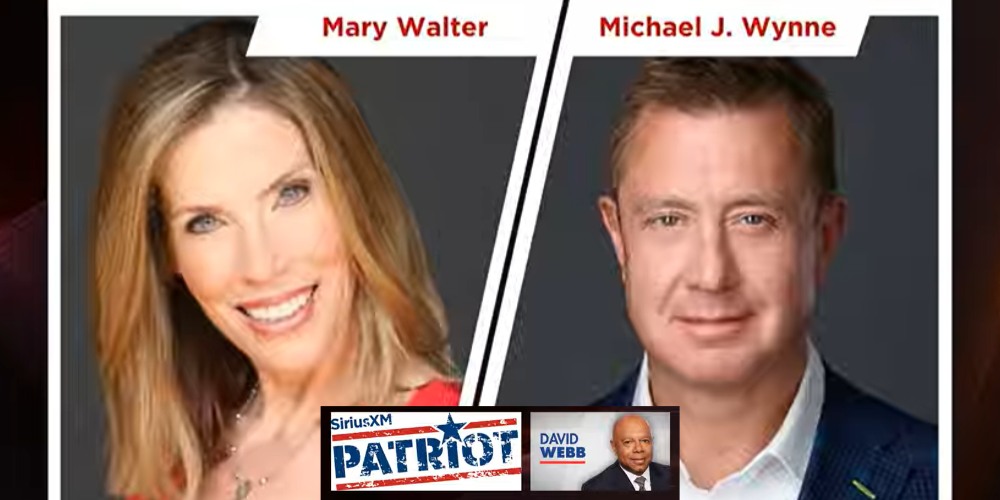
This issue is not about politics. It is about accountability, truthfulness, and the rule of law. I appeared recently on The David Webb Radio Show on Serius XM to discuss the controversy. Follow the link at the bottom of this article to hear the full exchange.
Misrepresentation to Congress Is Never Trivial
At the heart of this matter are alleged misrepresentations made to Congress regarding massive cost overruns—reportedly exceeding $700 million—on Federal Reserve construction projects. The questioning came from Senator Tim Scott, a Republican from South Carolina, and the concern was straightforward: how do such overruns occur, and why was Congress not accurately informed?
As a former federal prosecutor, I want to be clear: there is no excuse for making false or misleading statements to Congress. None. Even if the motivation was to protect an institution from embarrassment, that is not a legal defense. Institutional self-protection does not justify dishonesty.
Federal law, including 18 U.S.C. § 1001, prohibits intentional misrepresentations to the government. If the allegations are correct, the conduct stands on its own, separate and apart from any political narrative.
Independence Does Not Mean Zero Oversight
Some have argued that investigating Powell threatens the independence of the Federal Reserve. That argument fundamentally misunderstands what independence means.
Independence does not equal immunity. Independence does not mean freedom from oversight. In fact, public trust is the foundation of institutional independence. When waste, fraud, or abuse occurs—and when it is concealed rather than disclosed—it undermines that trust.
Government entities lack the same market-based accountability mechanisms that exist in the private sector. When individuals are not held accountable, cost overruns become easier to ignore and harder to correct. That is precisely why honesty before Congress is so critical.
The Question of Intent—and Accountability
There is no indication that Jerome Powell personally profited from these overruns. He is independently wealthy, and this does not appear to be a classic corruption case. But intent matters. If misrepresentations were made knowingly and intentionally under oath, the law applies regardless of wealth, position, or politics.
High-ranking officials should be held to a higher standard, not a lower one. If anything, this situation may warrant scrutiny precisely because of the office involved. Public accountability must apply at every level of government.
The Facts Don’t Vote
Much of the outrage surrounding this issue stems from political reflex rather than legal analysis. Some argue that because Powell is nearing the end of his term, or because former President Trump has criticized him, any investigation must be retaliatory. That logic simply doesn’t hold.
The truth under oath is not partisan.
The Department of Justice does not investigate politics—it investigates statements.
And the facts don’t vote.
If false statements were made to Congress, that alone justifies scrutiny. Everything else is noise.
Why This Matters
Even if some view the specific expenditures—such as luxury amenities or architectural features—as “trivial,” taxpayers should not. Hundreds of millions of dollars are not trivial. Transparency is not optional. And lying to Congress, even about matters some deem minor, corrodes public confidence in government institutions.
The Federal Reserve plays a central role in our economy. Its credibility depends on honesty, accuracy, and accountability. If someone is lying on behalf of the Fed, that damages not only the institution but the public trust it depends on.
Final Thought
This should not be a partisan issue. Those trying to make it one are changing the playing field because the facts are uncomfortable. The proper response is not outrage, but accountability.
Focus on the facts.
Focus on the truth.
That is how the rule of law prevails.